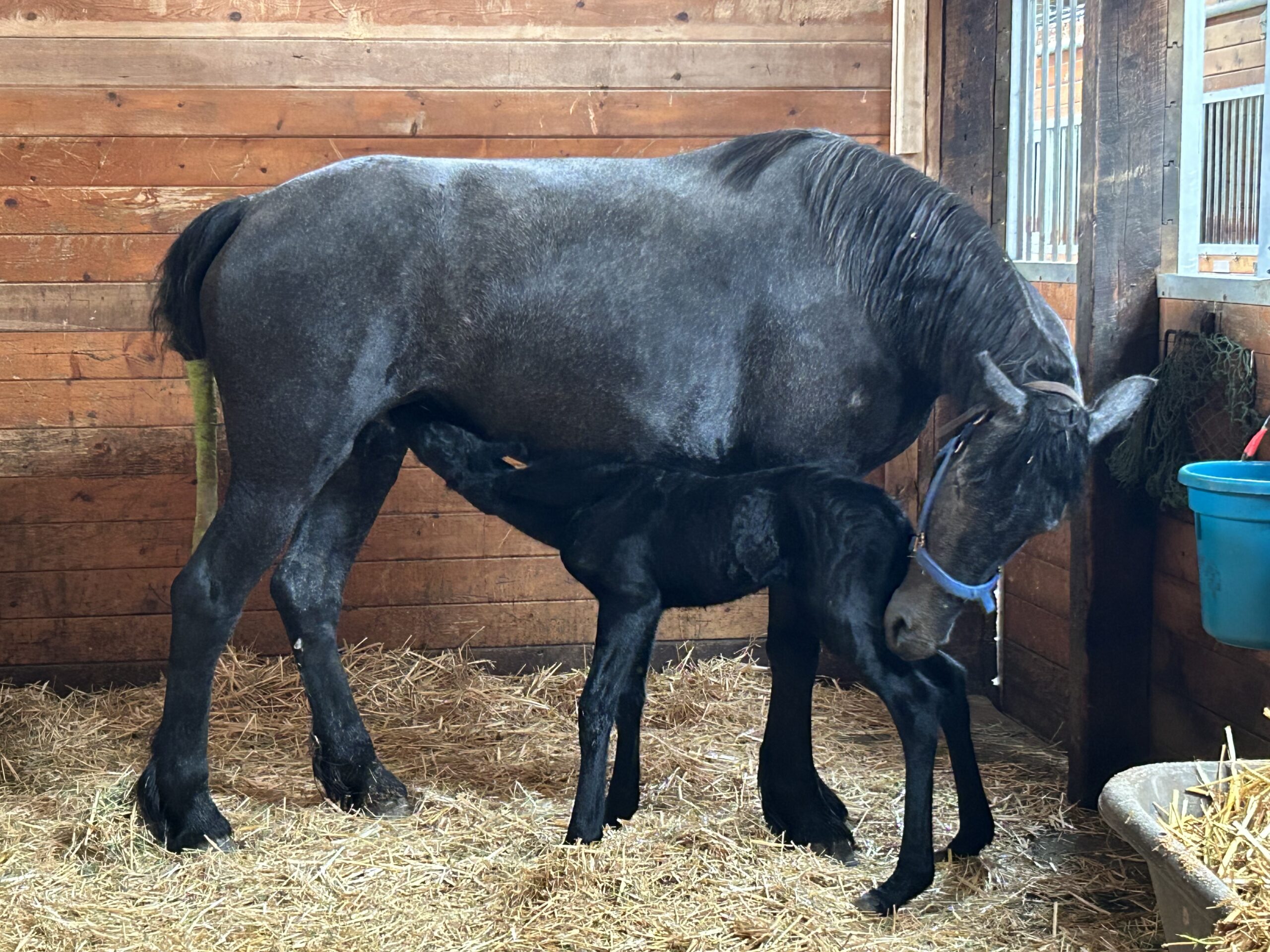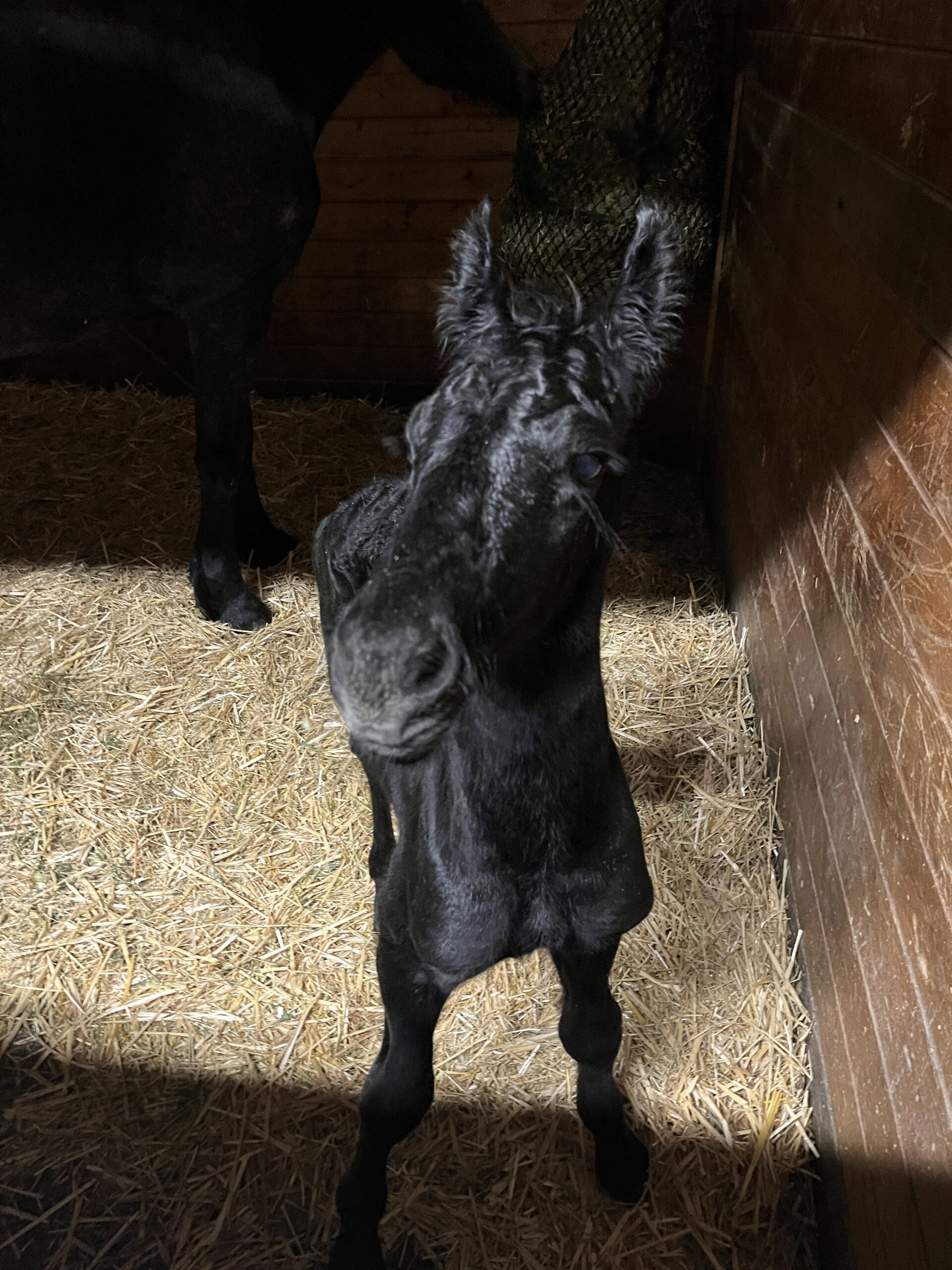
Paloma Isabel Caballo de Seguro
Type of Rescue: Born at SAFE to a rescued mare
Birthdate: 5/9/2025
Date Deceased: 12/8/2025
Length of Time with SAFE: 6.5 months
Paloma was born to Valentine Herd mare Frida on May 9th, 2025. Paloma had a beautiful 6 months of life, growing up alongside her mother both here at SAFE and at a foster location. Tragically, In October of 2025 Paloma developed a severe lameness in her hind end that ultimately led to the heartbreaking decision to let her go peacefully.
Paloma was a bright, sweet soul, and though her time with us was far too short, her impact on our lives will never be forgotten.
A Devastating Loss
It is with heavy hearts that we share the loss of our dear 6.5‑month-old filly, Paloma. After seven weeks of veterinary care, bodywork, and being surrounded by love and every healing intention, her body told us it was time to let her go. This has been an immeasurable loss for our SAFE community, and we have taken some time to privately grieve this devastating loss before making this news public.
In late October, at the Arlington foster home where Paloma and Frida spent their days in a large grassy field, her caretakers noticed that the filly seemed off in her left hind leg. Immediately, Dr. White from Mount Vernon Equine was called to examine her and take x‑rays, but they revealed nothing of significance. Paloma was rested, but after two weeks with no improvement, we brought her and her dam, Frida, back home to Redmond. Dr. Lewis took additional x‑rays, and hauled the pair up to Rainland Farm Equine Clinic to take larger images of her hips, which were sent to radiologists. Again, nothing of significance was noted. Both Dr. Lewis and Dr. Renner performed pelvic ultrasounds on her as well. She was thoroughly examined from top to bottom, yet no abnormalities were found. Dr. Lewis consulted with colleagues locally, at WSU, and even as far away as Kentucky. Despite every effort, we had no answers and little to go on, and although we all hoped to see signs of improvement…her lameness was not getting better.
What we do know: if it had been something fixable, we would have seen improvement in seven weeks. Pain medications did nothing. If she had been a full-sized horse, she would likely have foundered on her other hind limb, but her small size (400 lbs) spared her from that. In her final week, she struggled to get up, relying mostly on her front end to hoist herself up. By her last days, she was non-weight-bearing, and on the final morning, her heart rate and breathing were elevated, showing visible pain.
There are no words to make this hurt any less. All of our hopes and dreams for the life she could have had are lying at our feet in a pool of tears. What is clear is that whatever happened, whether physical, genetic, or an accident in the field, it was catastrophic, and there was nothing we could have done to save her.
We take some solace in knowing that because Frida was rescued from her neglect situation last February, the entire saga of Paloma’s life played out under our watchful eyes. Had Frida not been rescued, and had she survived giving birth in that horrible place, her filly might have suffered a harder, painful death.
Not all horses have happy endings, and it is our responsibility as their advocates to be present for the hard work, the days that aren’t perfect Instagram moments, but real life. The responsibility of making difficult decisions for the ones we love is never easy, but it is our job.
Rather than trying to capture everything in words, we’ve shared a short video message from Bonnie and Terry, explaining the changes we began seeing, most notably Paloma’s declining ability to bear weight. There is no pressure to watch if it feels too difficult.
Paloma passed peacefully, without pain, and surrounded by love. She was gentle and sweet to the very end, just as she was throughout her short life.
Frida has been closely and carefully supported during this time, and we will share a separate update on her ongoing care soon.
Paloma was always treated with the utmost respect. Her loss hits deep into our hearts and she will always be a cherished and unforgettable member of the SAFE herd. Thank you for holding Paloma in your hearts with us.
“What we once enjoyed and deeply loved we can never lose, for all that we love deeply becomes part of us.” Helen Keller
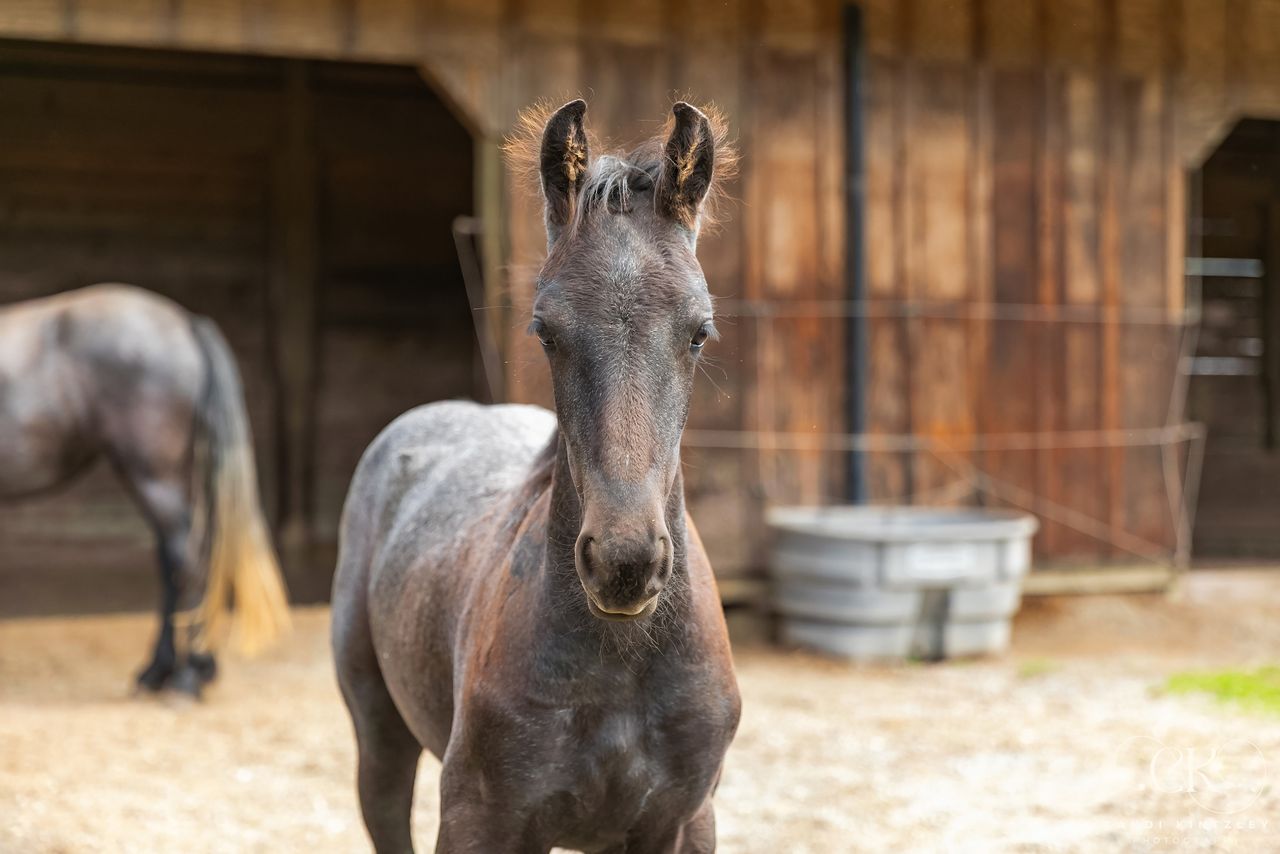
Growing Paloma
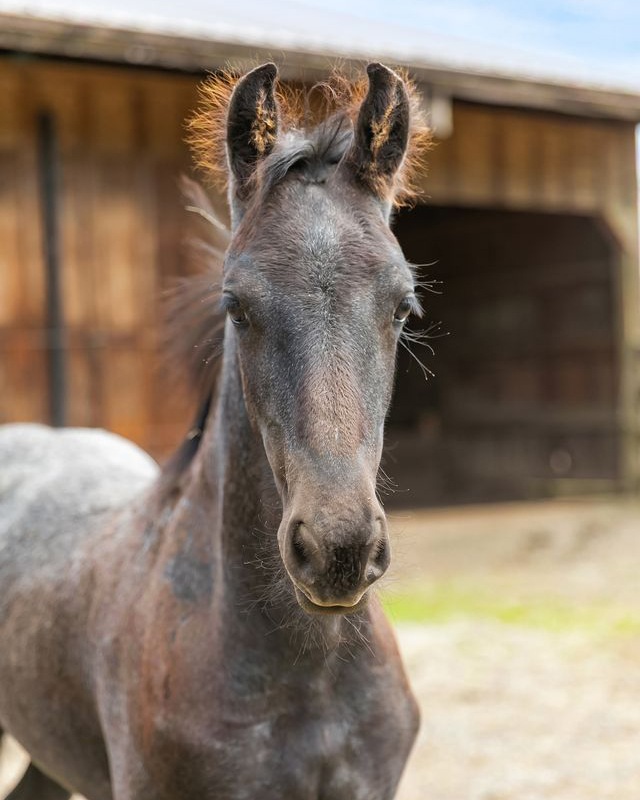
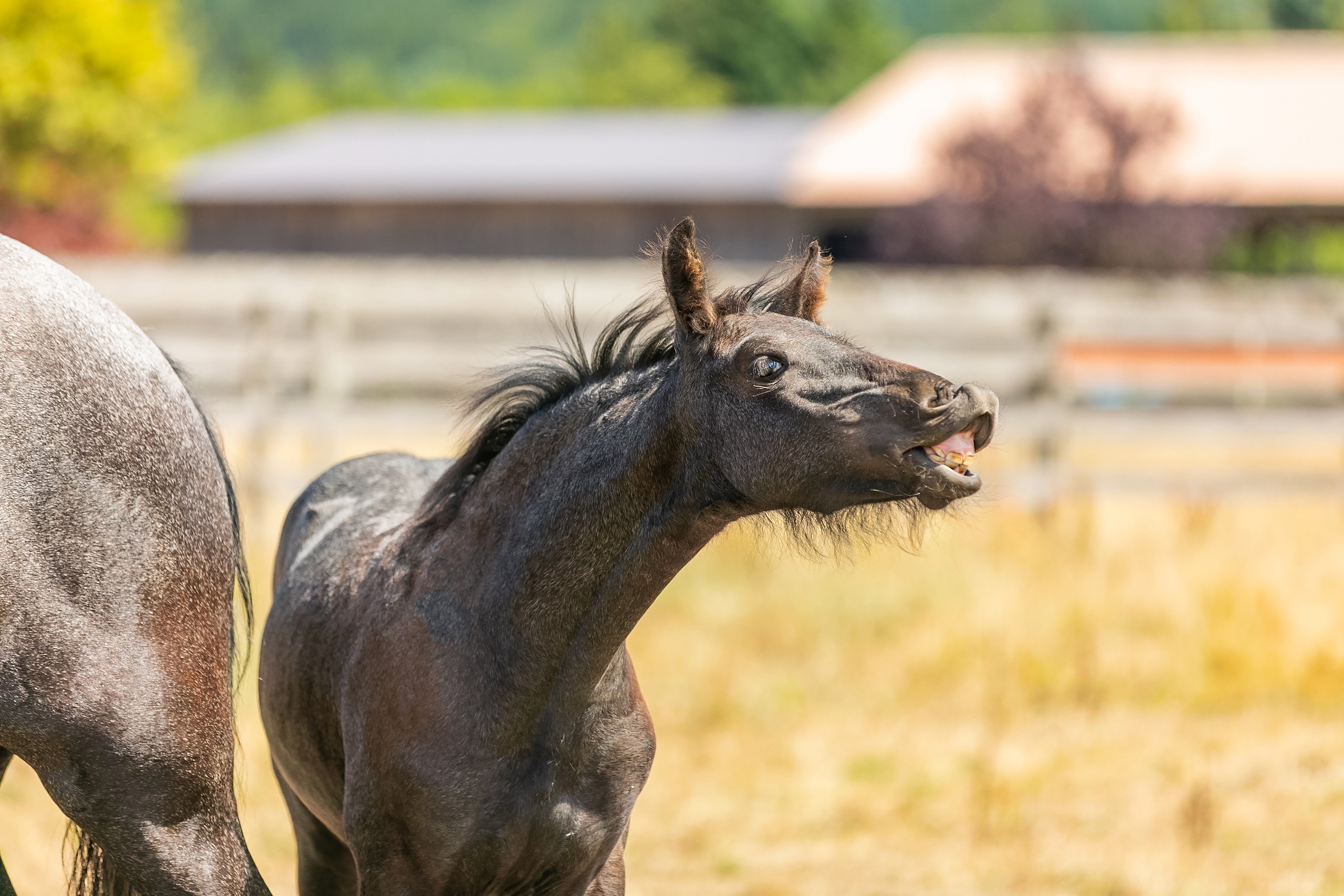
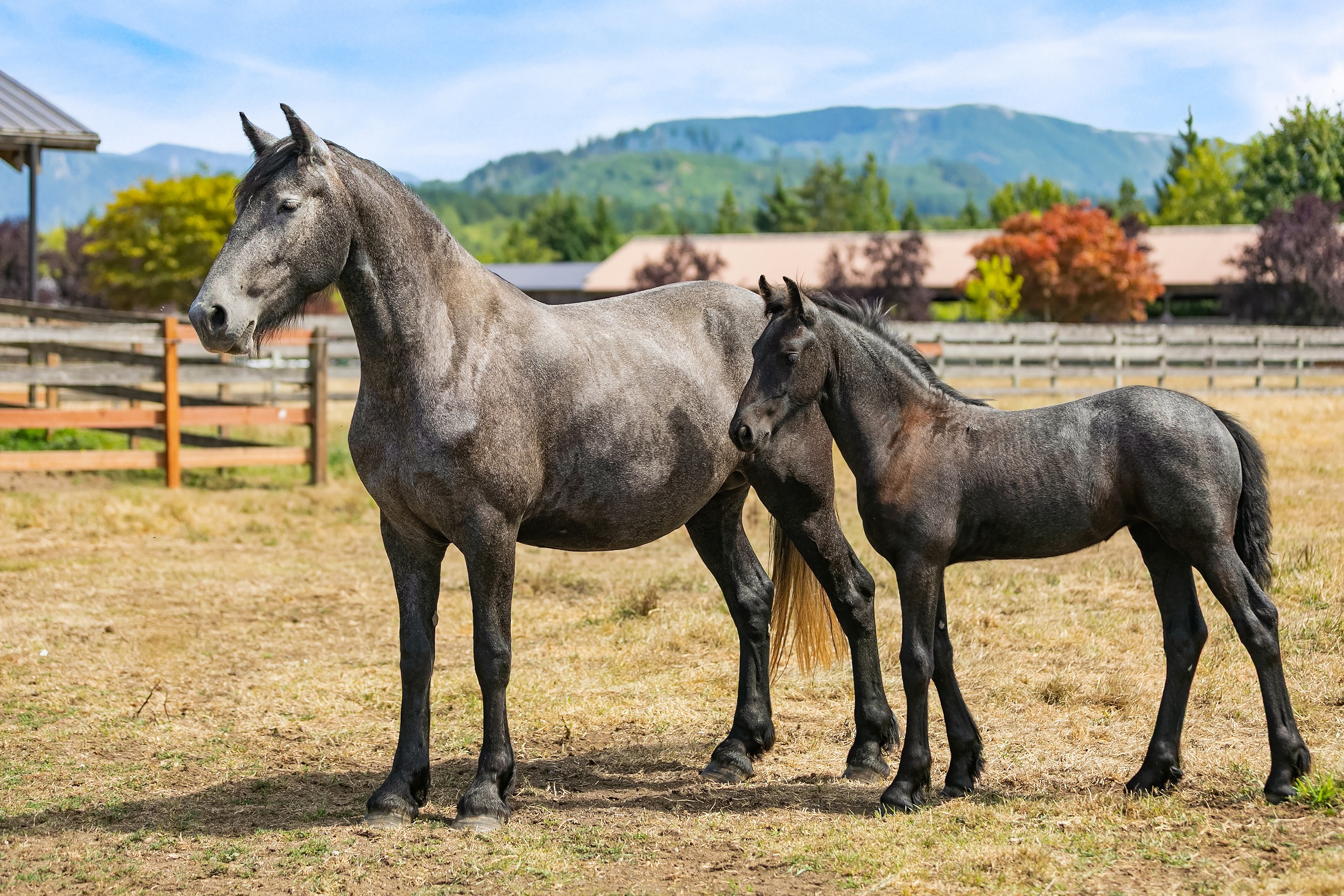
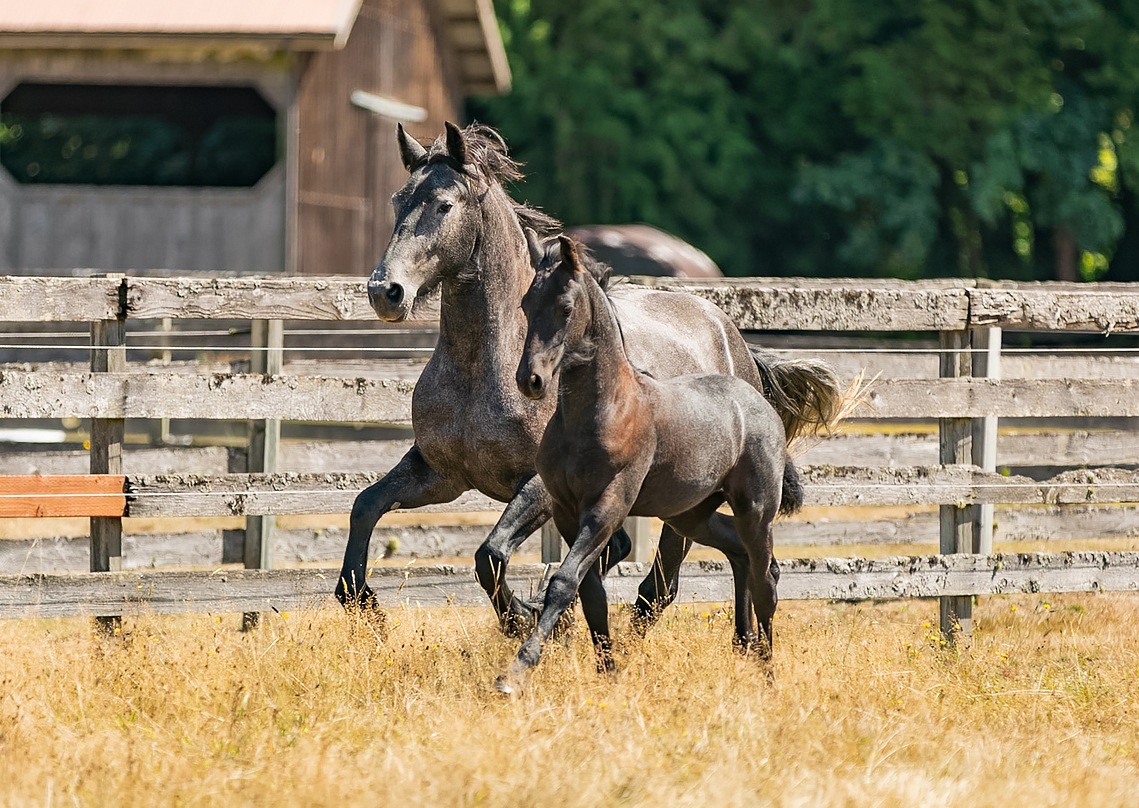
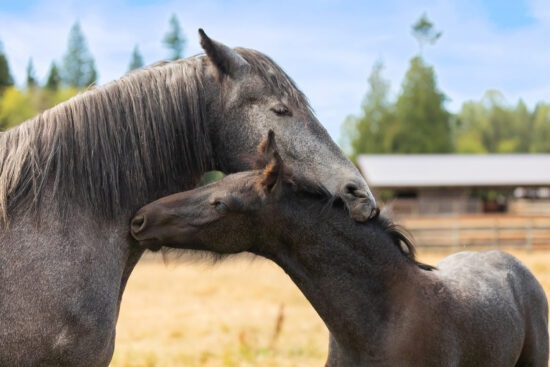
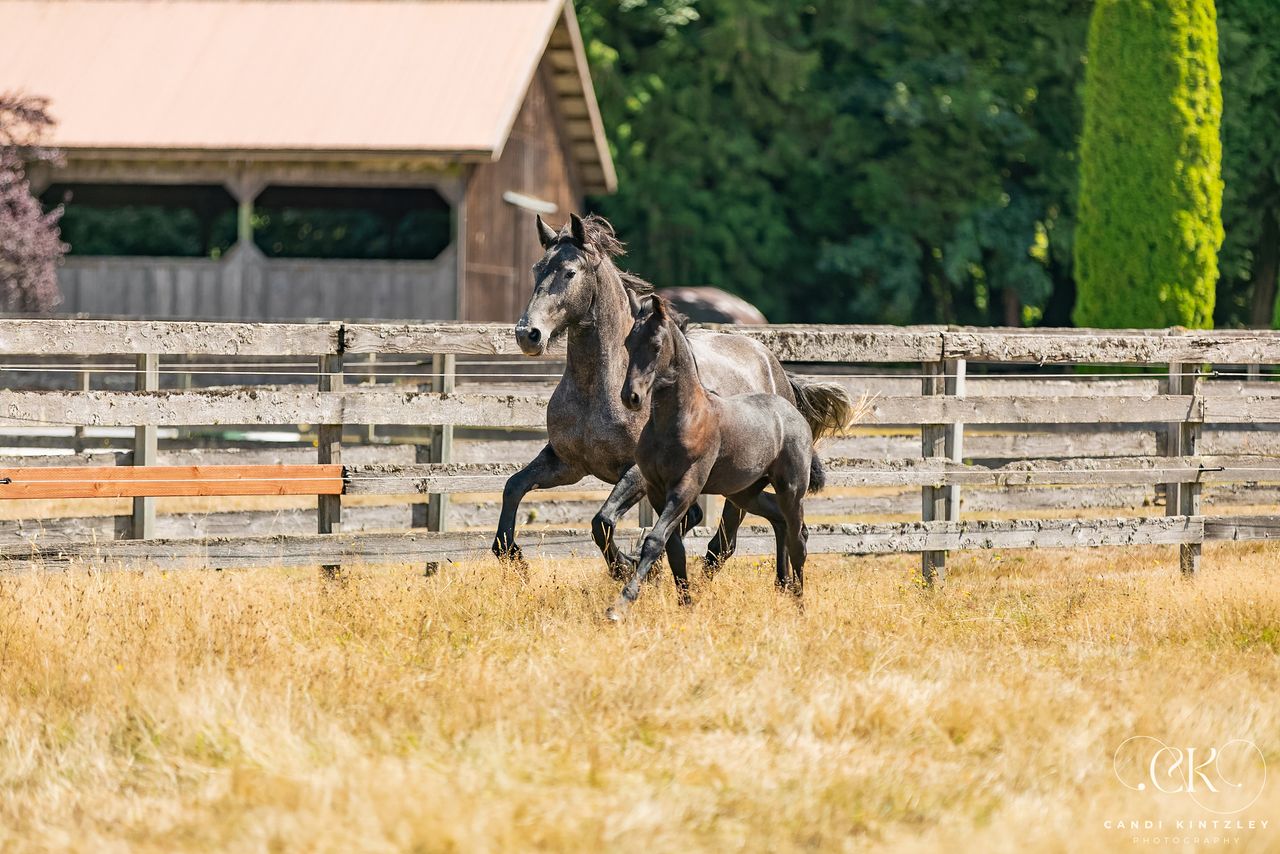
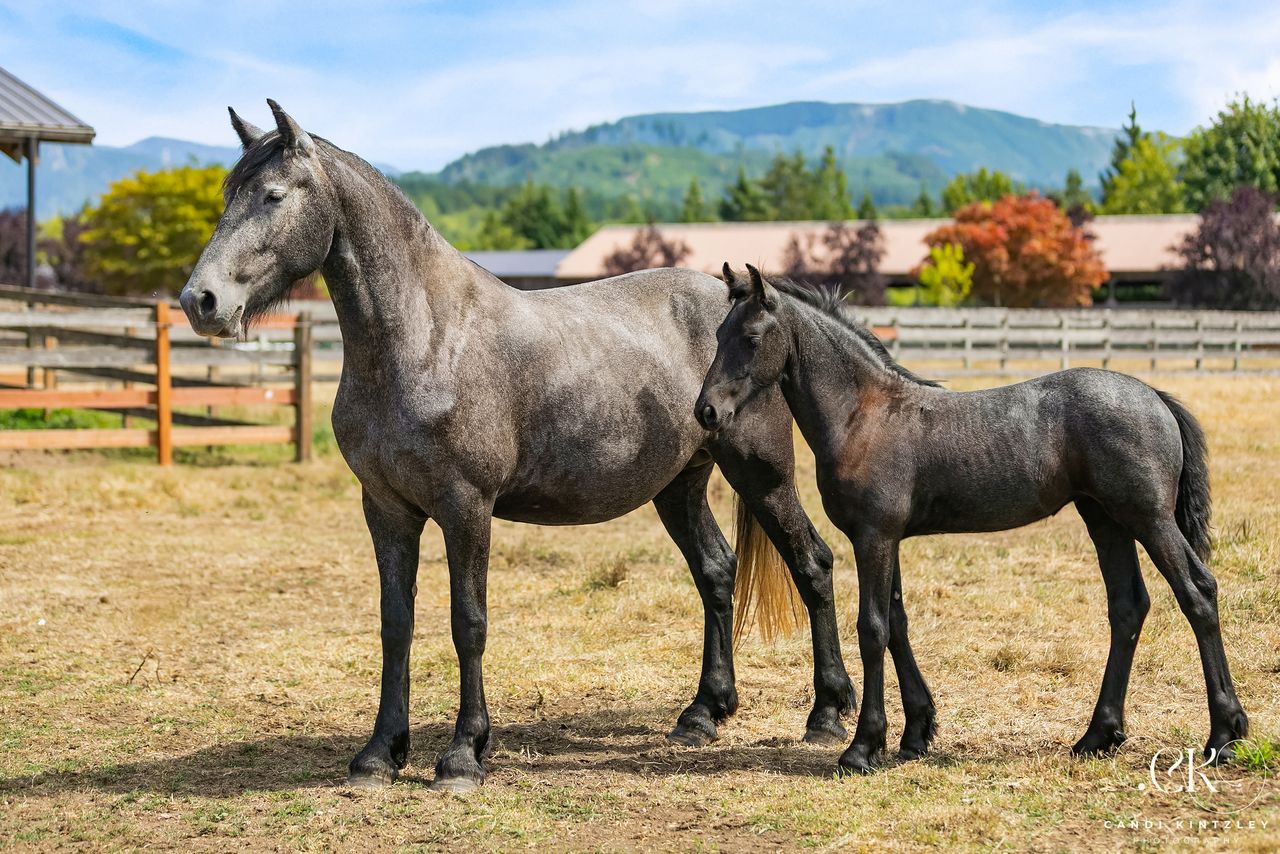
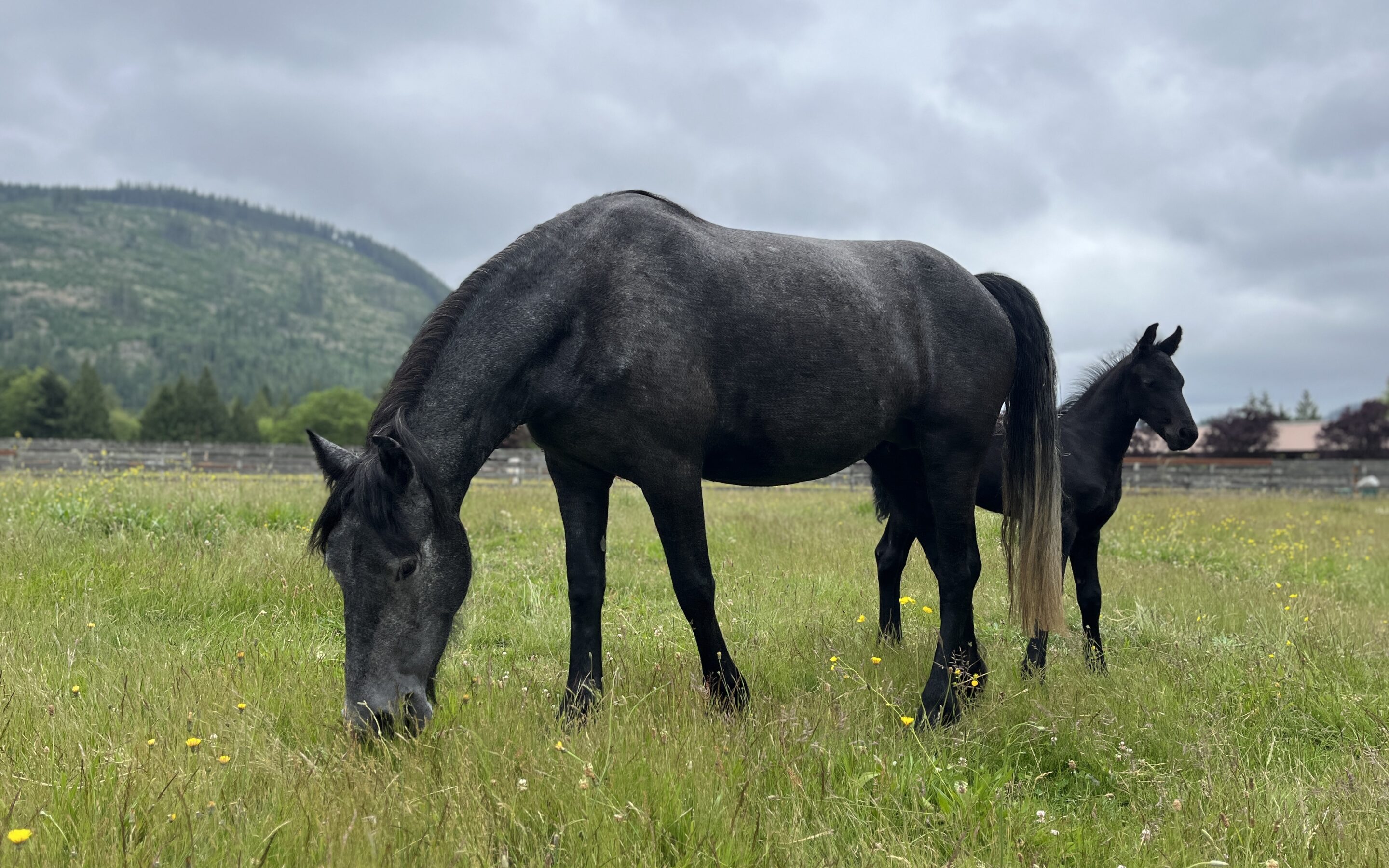
To make a Paloma cocktail, you combine tequila, grapefruit, and lime. Our little Paloma’s ingredients would look a bit different: a good deal of curiosity mixed with a generous pour of joy de vivre, topped with a strong sense of self, and garnished with a dash of sass. Paloma is coming up on four months old, and growing bigger and more beautiful by the day. Our visits with her are always a treat, and we are thankful that we are able to document her growth through the lens of our talented friend Candi K.
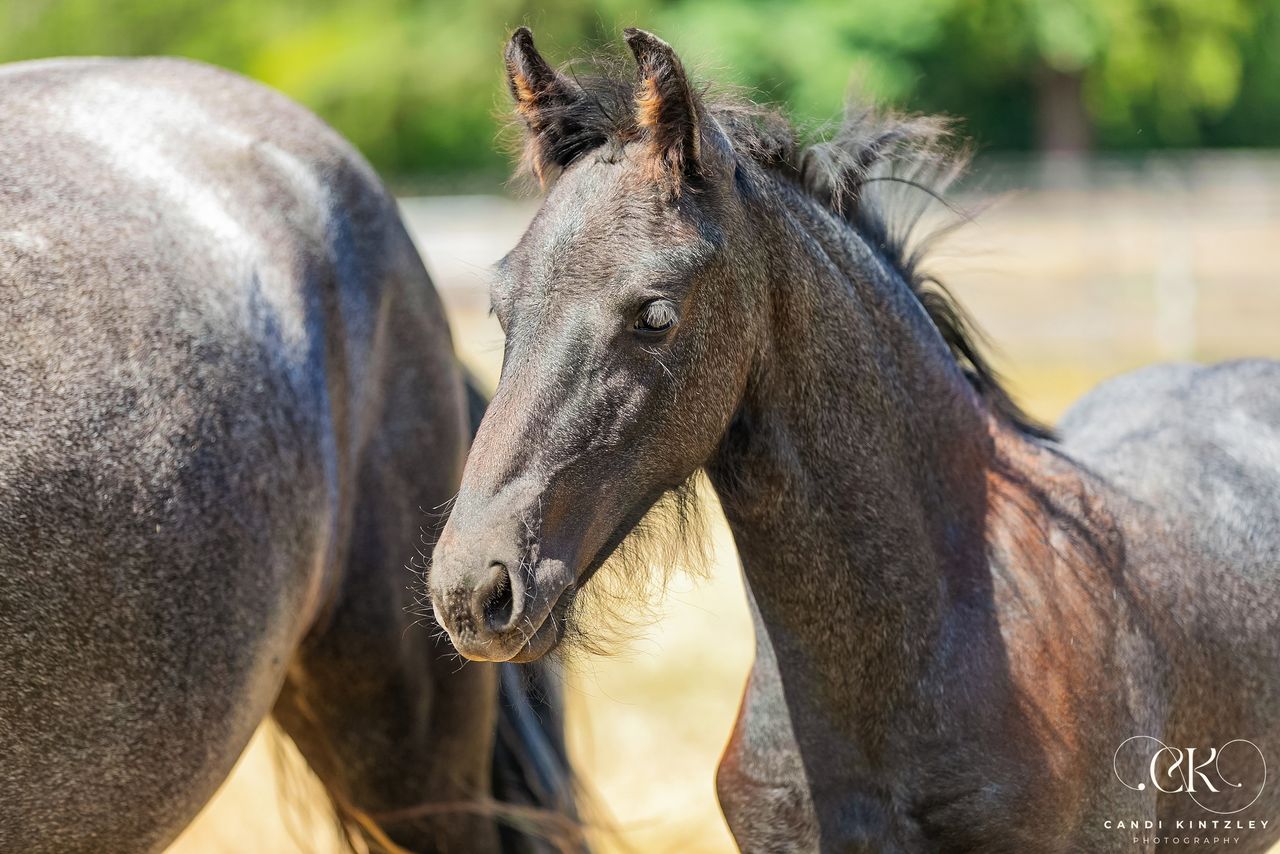
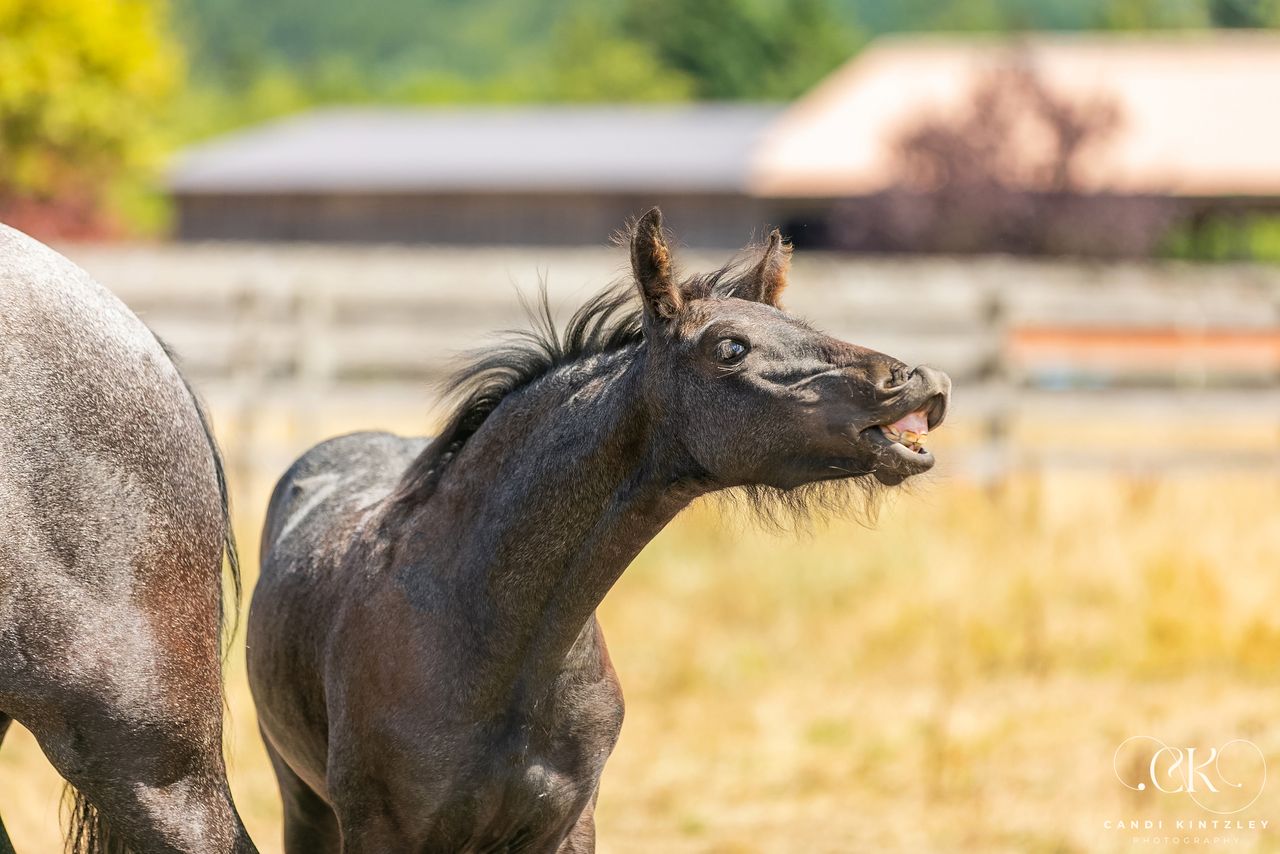
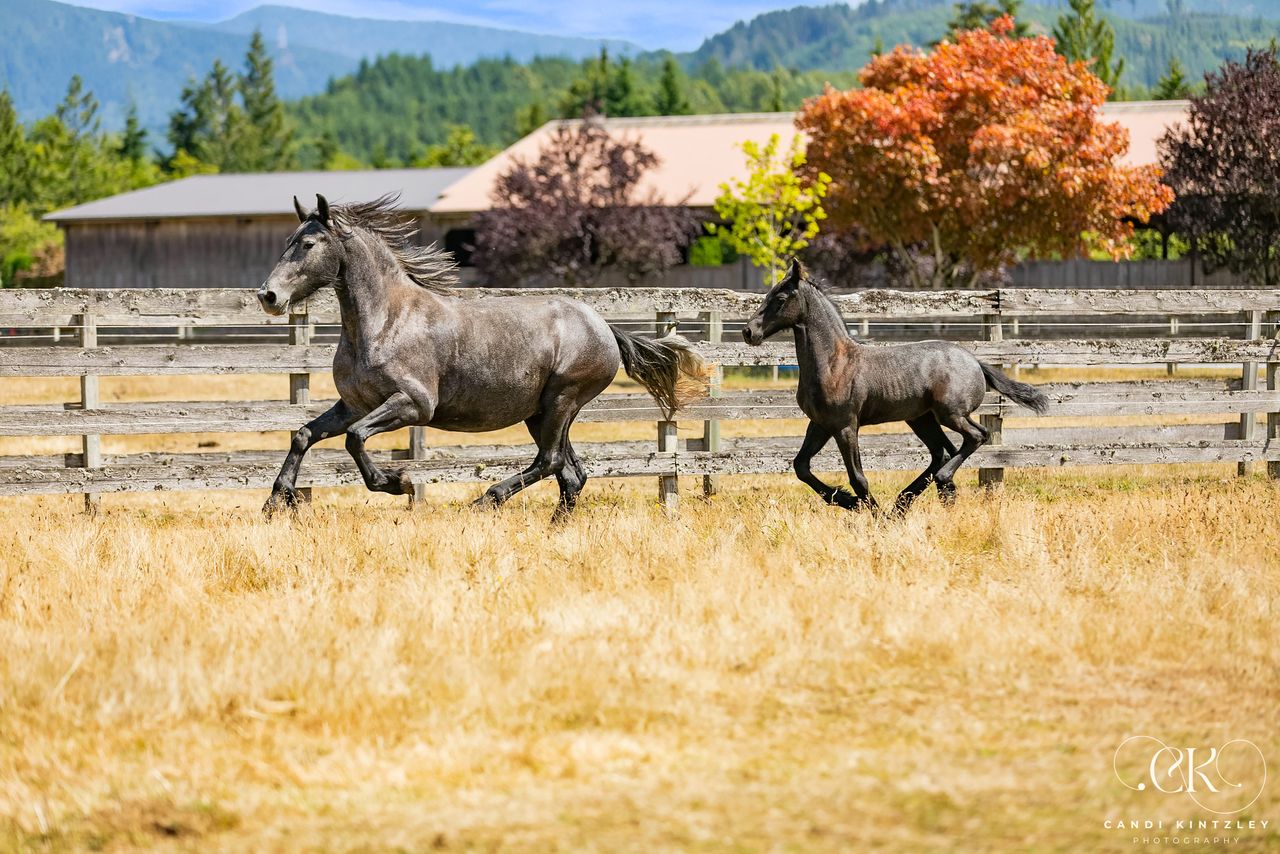
Frida and Paloma to Foster
Big enough to make the trip, last week Paloma shipped off to foster up in Arlington at the lovely Pacific Moon. Mom Frida was along for the ride too, of course, and will raise her filly out on lovely pasture. The pair join Wednesday and Venturo, and if everything goes as planned, will soon make introductions to become a quartet. Vinnie certainly seemed interested in his new neighbor, but Paloma was much too busy frolicking and snacking to take much notice of him — yet. The two settled right in to their new digs like they had always lived there, and as we drove out we caught little Paloma napping in the tall grass, happy as a clam.
Welcome to the World, Paloma!
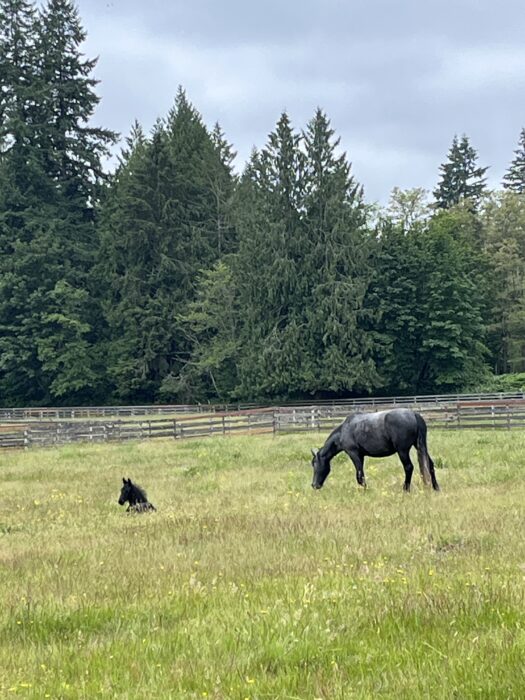
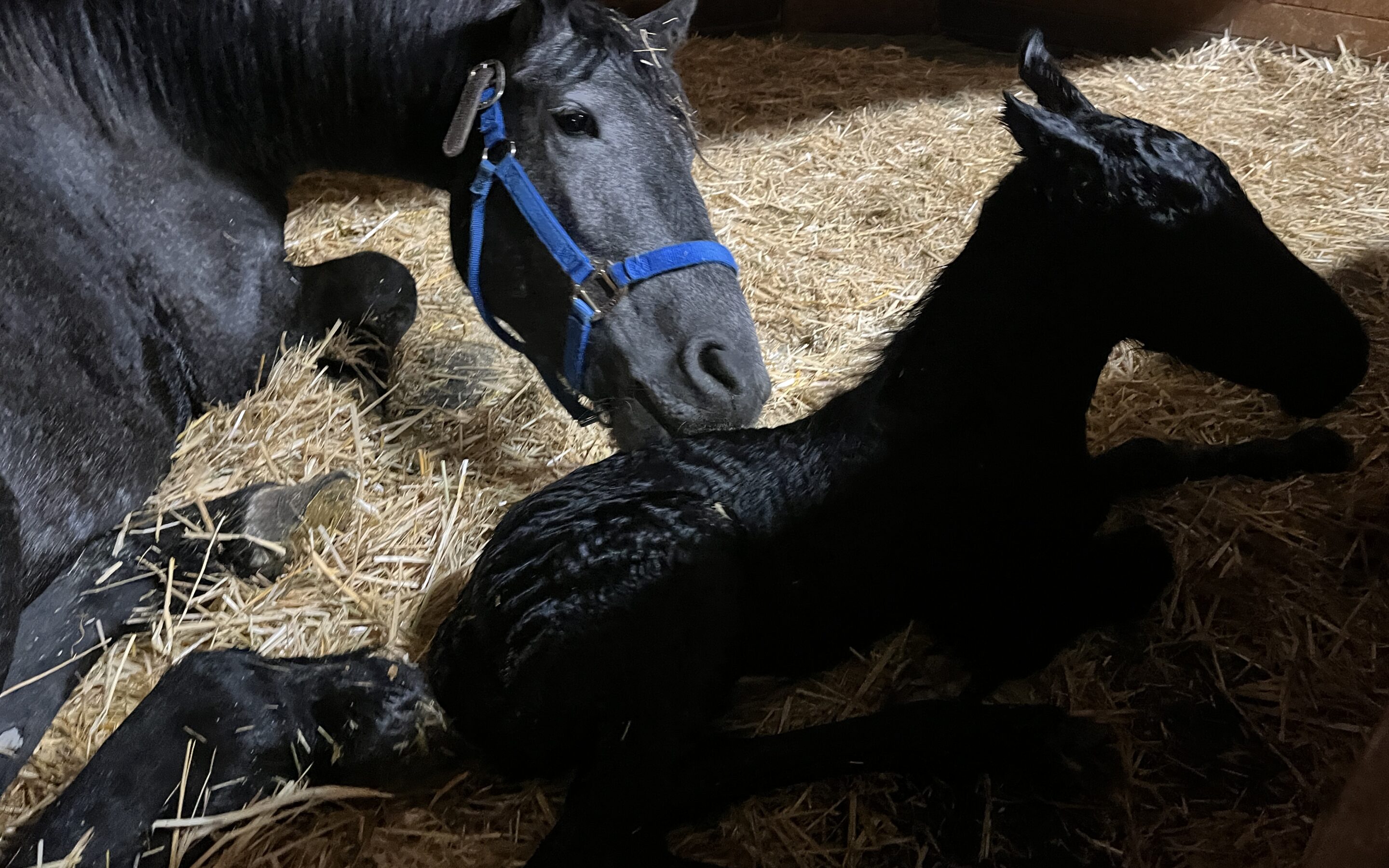
On May 9th, just as the clock rolled over, at 12:31AM, Frida welcomed her filly, Paloma Isabel into the world.
Her birth was fast and without complications. We were then waiting for the 1–2‑3 guidelines: standing within one hour, nursing within two, and the placenta passing within three. Well, Frida passed her placenta quickly and easily within the first hour, and little Paloma hit the first of her milestones — standing after an hour — right around 1:30AM. She also passed some meconium, another important marker. Now all that was left was for the foal to nurse. She was highly motivated, stumbling around the stall on new legs, suckling on anything she bumped into.
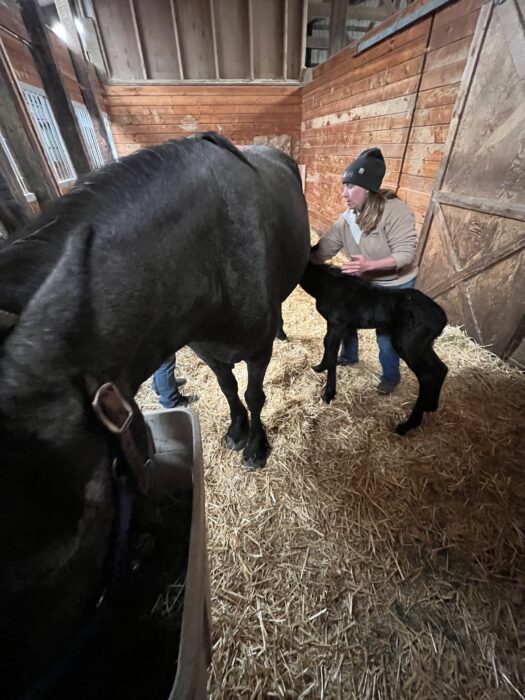 But all that try and she couldn’t seem to find where she was supposed to be. Like an errant pool ball, she would bump into something and ricochet off in search of the next, but she seemed no closer to locating the place she was supposed to be. After the first two hours, we tried to gently guide her in the correct direction, but she was disinterested in our help. Over the night, we watched from the cameras as she toddled around, took naps, and failed to nurse.
By 5AM, we called our vets for guidance. Dr Lewis was quickly on the scene. After a bit of sedation for Frida, who, without was not very keen on entertaining us touching her teats, one person guided Paloma while the other expressed milk from Frida, helping to show her where that yummy substance was coming from, and how to get more. While Paloma was very interested in the milk, she still wasn’t connecting the dots as to where it was coming from, and would not latch on. Because it had been so many hours and she had not nursed, we had to tube her in order to ensure she received colostrum. After that, the plan was to continue to try and guide her, giving her plenty of breaks in between sessions to prevent her getting too frustrated.
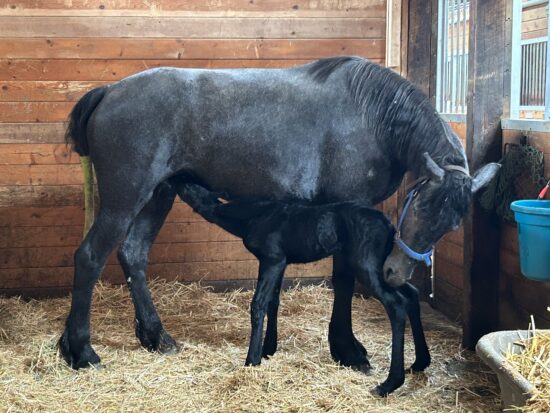
We helped her twice, and each time she got the hang of it a little more until, to our great relief and delight, she latched on all on her own at 10:45am. We’re sure we weren’t the only ones feeling relief — Frida was surely ready to get some of that milk out!
From that point on, she had it down. Not quite to a science yet, but each mealtime had her a bit more confident.
 That afternoon, Paloma had her first foal check with our vet who ran her IgG levels. They were not quite right. Lower levels than normal could mean that she would need to receive plasma to boost her immune system. The next morning, a second test showed better levels, but just to be sure we were getting the most accurate results, her blood sample was sent out to a lab for more thorough testing. In the meantime, the vet cleared her to spend some time out on grass, so Paloma made her first venture out into the world alongside Frida on Saturday morning.
This little darling has already brought us so much joy, and we are so thankful to be able to witness her grow.