
“Quality of life” is a set of standards we use to make decisions about the horses in our care. Some of those standards are pretty clear and easier to navigate. When it comes to things like pain, discomfort, and illness, we know what our horses can and can’t endure. We know which symptoms can be eased or alleviated in a reasonable amount of time, and we can make compassionate decisions based on what we feel is best for the horse who is facing them. Other quality of life standards can be more challenging. Emotional pain or discomfort, like fear or anxiety, can also be eased or alleviated, but sometimes the journey is too much to ask of an individual who has been severely traumatized. Decisions involving those sorts of horses can be difficult, but we do our best to always think about what is best for the horse, even if it’s painful for us.
But the most difficult quality of life decisions involve horses that are dangerous. As rewarding as the field of rescue can be, making choices for dangerous horses will break your heart, every time. The second-guessing and doubt that come with the decision to let a dangerous horse go never completely fade. You can remind yourself a thousand times that your responsibility was to make sure that no humans got hurt, and you can try to comfort yourself in knowing that the horse is at peace…but it still hurts. And in many ways, it always will.
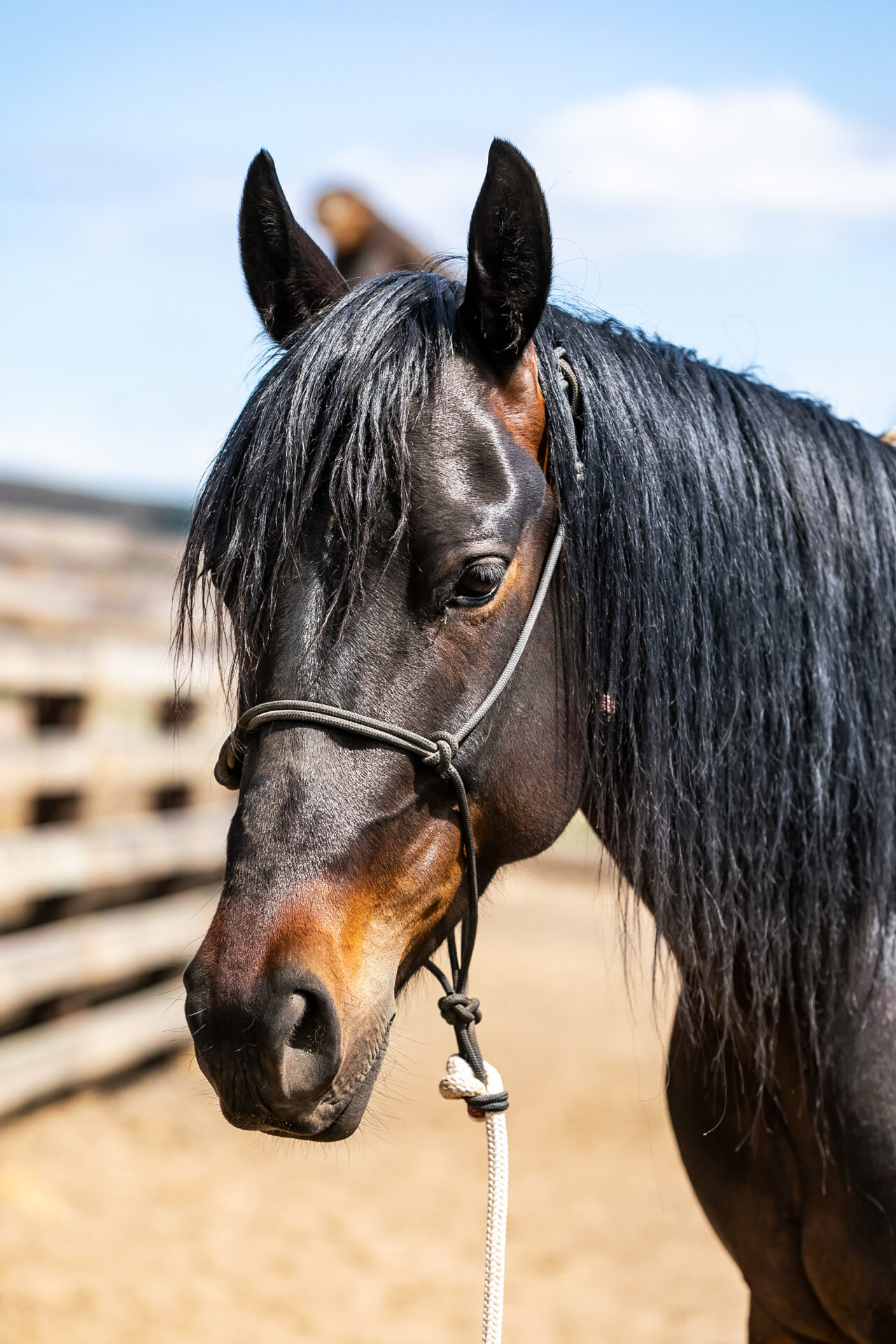
Nova was laid to rest at the home of her foster caregivers in Ellensburg last week. The decision was made to let her go because after trying everything we could think of to improve her behavior, she remained a dangerous and unpredictable horse. Because behavioral problems in mares are often hormonal, and because years of re-education and medication didn’t improve her, our “last ditch effort” was to have Nova spayed. While this is a common procedure for dogs and cats, spaying a mare is a highly invasive, expensive abdominal surgery that carries significant medical risks, such as internal bleeding and infection. Unfortunately, spaying comes with no guarantee that behavior is going to change, because a mare’s temperament can also be tied to hormones produced outside the ovaries, like the adrenal glands. To our deep and painful disappointment, spaying Nova produced no real improvement in her behavior.
We had Nova spayed to try to save her, but it didn’t result in the type of changes we needed to make her safe to be around humans and other horses. Even months following the procedure, she was still reactive, aggressive, unpredictable, and showing signs of extreme discomfort. We had to accept the fact that we could not make her better. We had to accept defeat and say goodbye.
Nova was buried at the farm where she spent her final months, and we are deeply grateful to her foster mom Blair who gave her a safe place to live as well as a final place to rest. Each of us will hold our memories of that long legged black filly who came into our lives one November morning, our Super Nova, who burst into our lives with the brilliance of a cosmic event. Nova is at peace, and she will never be forgotten.
